
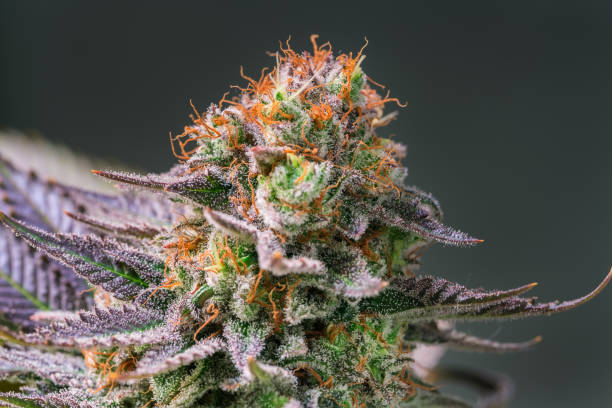
Cannabinoids, and Terpenes both occur in the Cannabis plant.
Terpenes are abundant in almost all plants, while cannabinoids are mainly found in cannabis. Terpenes are abundant in all plants. Cannabinoids, however, are mainly found in cannabis plants. Cannabinoids are only illegal in concentrations greater than 0.3%. Many terpenes, such as those found in perfumes and cleaning products, are legal.
Terpenes have no direct effect on the Endocannabinoid System (ECS). However, they can still contribute to the entourage effects, influencing other receptor systems and even affecting how cannabinoids operate in the body. The terpene composition of a particular cannabis variety, like the ones you might find in an Ann Arbor Michigan dispensary, is crucial in determining its effect.
It is also important to note that both cannabinoids (also known as phytocannabinoids) and terpenes belong to a class of chemicals called “terpenoids.” The cannabinoids found in cannabis ( phytocannabinoids ) are derivations of diterpenes. It is clear that these two classes of compounds have more in common than initially thought. Terpenes may also have a “cannabimimetic effect”, meaning they mimic the cannabinoids’ behavior and feelings without necessarily affecting ECS directly.
What are cannabinoids?
At any dispensary in Ann Arbor, Michigan, you’d hear about cannabinoids, which modulate the endocannabinoid systems. They can be divided into phytocannabinoids (from cannabis plants) and endocannabinoids (produced by our bodies). Approximately 150 cannabinoids have been recognized in studies. The term “cannabimimetic” is used to describe synthetically produced cannabinoids.
What is the Cannabinoid Effect?
Cannabinoids interact with receptors. A cannabinoid binding to a receptor causes a chain reaction that produces a variety of physiological and psychological effects. The receptors are found in the brain and body. They come in CB1 or CB2 variants. Here are some examples of cannabinoids.
Tetrahydrocannabinol
Tetrahydrocannabinol, the most well-known cannabinoid, is responsible for the psychoactive effects of cannabis products. Many people use this cannabinoid to get high, but it also has other benefits. THC is effective in treating cancer, chronic pain, Alzheimer’s Disease (in combination CBD) and Parkinson’s Disease symptoms. This cannabinoid increases appetite and may be used to treat disorders of appetite reduction.
Cannabinol
Cannabinol, a metabolite from THC, is often called the “sleepy Cannabinoid”, due to its effectiveness in treating sleep disorders. Studies have shown that it is a powerful peripheral narcotic and an effective treatment for Glaucoma. It can also be used to delay the onset of Amyotrophic Lateral Sclerosis.
Cannabigerol
Cannabigerolic Acid (CBGA). is a precursor to THCA, CBDA and CBG. When heated, CBG, THC, and CBD are formed. CBG can have a number of benefits, including appetite stimulants. This can increase a person’s intake by more than twice. This can be beneficial in cases like wasting Syndrome (cachexia). CBG can also help reduce neuroinflammation and slow down the development of cancer.
What are Terpenes
Terpenes, a grouping of aromatic hydrocarbon compounds produced by a variety of plants, including the cannabis plant. Studies have shown that they may also have therapeutic effects. They are responsible for the aroma and flavor of cannabis. About 30,000 terpenes are found in different plant species. Cannabis contains 220 terpenes.
What is the Terpenes Effect?
Beta-caryophyllene, for example, works by binding to a variety of receptors. These include GABA and adenosine receptors; Adenosine receptors; and Cannabinoid receptors. These are some examples of cannabis terpenes.
Pinene
Pinene is, as one might expect, a terpene that has a piney aroma. Pinene is also found in pine trees, basil, rosemary and cannabis. Pinene, like other terpenes, has powerful antiinflammatory properties when applied topically. Topically applied, it also reduces damage of skin and DNA. Pinene injections have been shown to reduce the volume of stroke related brain damage.
Myrcene
Myrcene, another terpene found in cannabis. Myrcene is a terpene that has a spicy earthy flavor. It can be found in many herbs, fruits and essential oils. Myrcene is believed to be responsible for some of the sedative properties. It can also slow cartilage degradation in Osteoarthritis. may reduce cell death within the lung tissue in those with lung cancer.
Linalool
Linalool can be found in both lavender and cannabis flowers. It is responsible for anxiety reducing effects. This terpene is similar to myrcene and has pain relief as well as sedative effects.
Limonene
Limonene can be found in citrus peels such as oranges and lemons. It is also found in cannabis where it has a calming effect. It is used to treat low energy conditions such as Chronic Fatigue Syndrome or Depression. It is also effective in reducing cancerous tumours and especially breast carcinoma.
Eucalyptol
Eucalyptol is a minty and cooling scent. It is also the reason why cannabis, bay leaves and wormwood have a refreshing taste. If you have ever used eucalyptus for a cold or other respiratory problems, you may not be surprised to learn that eucalyptol can also help with asthma, bronchitis and rhinosinusitis. As an essential oil component, eucalyptol also has antitumor properties as well as the ability to improve cognition for older people.
Beta-Caryophyllene, the Terpene that’s also a Cannabinoid
Beta Caryophyllene or “pepper terpene” has a distinct warm woody smell. BCP is unique in that it acts as both a cannabinoid and terpene, binding to CB2 as previously mentioned. It can modulate your endocannabinoid systems while producing aromas and other physiological effects. BCP, like other terpenes, cannabinoids and terpenoids, has many therapeutic potentials, including reduced anxiety, improved wound healing and antiinflammatory properties.
Can Cannabinoids & Terpenes work together?
The terpenes in cannabis are different, but they’re not discrete. The entourage effect is a result of these two organic compounds working together. The entourage effect occurs when cannabinoids and terpenes work together to modify the overall effects of cannabis. The full spectrum of compounds related to cannabis (terpenes cannabinoids etc.) is generally believed. The varied effects of marijuana are dependent on the full spectrum of compounds related to cannabis (terpenes, cannabinoids, etc.).
Terpenes modulate the effects of THC by changing how much it crosses the blood brain barrier. This interaction is beneficial to cannabis users. By analyzing the terpenes, cannabinoids and other components of the cannabis product, knowledgeable individuals can make some accurate predictions about the effect.
There is currently no evidence to suggest that terpenes directly affect the endocannabinoid systems, with beta-caryophyllene being an exception. Terpenes also act on other receptor systems in the body such as serotonin receptors, GABA receptors, and dopamine receptors. The terpenes are able to contribute in different ways to the entourage effects.
The Bottom Line
Cannabinoids and terpenes, with their distinct yet complementary effects, are vital in modulating the overall experience of cannabis. This synergy, beneficial for cannabis enthusiasts, presents an intriguing avenue for future exploration. If you ever visit an Ann Arbor Michigan dispensary, you’ll now be better equipped to understand the complex interplay of these compounds in the products you encounter.