
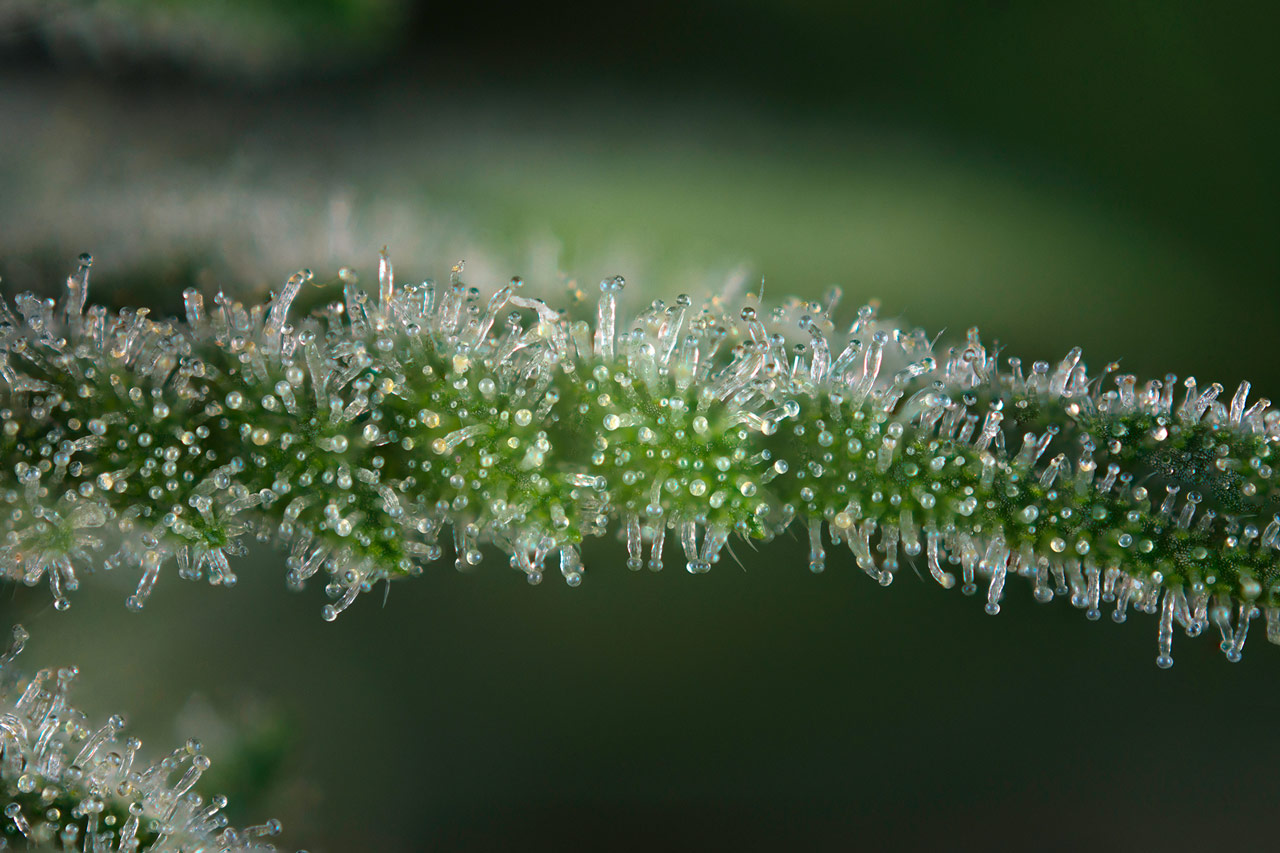
If you are a fan of cannabis, you may be curious about the tiny crystals that surround your favorite strains’ buds and leaves. They can be shiny and sticky and have amazing aromas. These blankets of frost actually contain large quantities of what are known as trichomes.
Trichomes can be described as “fine outgrowths’ ‘ of appendages on certain plants, algae, lichens or other protists. These small, mushroom-like protuberances almost look like they belong in science fiction. These are the factories that produce the cannabinoids, terpenes, and flavonoids that make the best cannabis strains. If you’re looking for high-quality cannabis strains, you might want to visit a dispensary in Worcester.
Function of trichomes when cannabis is smoked
Trichomes can be produced by many species of plants. They come in many forms and can serve many purposes. Carnivorous plants may have trichomes which aid in prey capture.
Trichomes are a defense mechanism for cannabis. Trichomes are a defense mechanism in cannabis. Trichomes are an effective deterrent for animals due to their strong smells, bitter taste and bitter taste. They protect plants from damaging winds and certain fungal species.
There are many types of trichomes found in cannabis
There are many types, but the three most prevalent trichomes that are found in cannabis plants are: the trichomes.
- Bulbous trichomes, which are the smallest and best-known of all bulbs, are the most visible. They can be found all over the plant’s surface. They can be as small as 10-15 micrometers in size. This is sufficient for only a handful of cells.
- Capitate sessile trichomes have a larger stalk and head than their bulbous counterparts. These trichomes may be more abundant than their bulbous cousins, but they are not as plentiful and prolific as the third variety.
- Capitate-stalked trichomes measure 50-100 micrometers wide. They can be seen by the naked eye. These trichomes are made up of a stalk composed of epidermal, hypodermic, and other cells. The stalk connects to the large glandhead. This gland head is the epicenter for cannabinoid and terpenoid synthesizing. A waxy layer holds it together.
All three types of Trichomes produce cannabinoids, but the Capitate-stalked Trichomes are more likely to be found in the calyxes budding flower. They produce the highest concentrations of essential oils due to their size.
Trichome production and its life cycle
The trichome begins to produce cannabinoid as cannabis plants enter the flower phase. The trichomes form on the surface of the above-ground vegetation when cannabis plants start to produce flowers. These trichomes then transport vacuoles and plastids from the stalk to its gland head. The gland head cells then start to metabolize precursors, which will eventually become cannabinoids.
The rate at which cannabis plants produce trichomes will depend on genetics and environmental factors. Higher levels of trichomes might not necessarily result in higher levels of cannabinoids and terpenes. But, environmental factors like UV light can have an impact on cannabinoid synthesis and cannabinoid production in the trichome head. Higher levels of cannabinoids are produced by plants that are exposed to more light. This will depend on the strain.
A trichome’s life cycle is very similar to the one of the cannabis plants it lives on. This makes it very valuable for farmers to track. The life cycle of a trichome can be described as a parabola. The apex marks the point at which decay begins and maturation has passed. Most trichomes will change their opacity, from transparent to opaque to cloudy to amber to indicate maturation.
The color transition in the head indicates the trichome’s peak maturity. This sign is used by farmers to harvest cannabis. This is when the trichome has reached its full maturity and will begin to fall from this point forwards. Different strains of cannabis have different maturation rates. The standard method of determining harvest time is still the trichome colouration.
Trichomes can be killed or degraded using many catalysts, including:
- Contact with the body, or agitation
- Heat
- Light
- Oxygen
- Time
These elements can cause damage to the trichomes and could also affect essential oils. Handling cannabis flowers with care during and after harvest can help slow down their degradation. You can keep trichomes on plants longer by avoiding direct contact with the flowers or excessive agitation. It is possible to prolong the viability of trichomes by using the best methods for drying, curing, and trimming them. This will preserve their cannabinoids and terpenoids as well as other nutrients.
People who wish to extend the shelf life of their trichomes often use extraction techniques. The process of removing trichomes from plants can be called extraction. There are many ways to get rid of trichomes in plant material. There are many ways to remove trichomes in plant material. There are two main methods for extracting trichomes from plant material. One is mechanical dry sifting, which produces “kief,” and the other uses light hydrocarbons like butane or propane to create waxy full-melt oil. These can be used to collect and separate trichomes. If they are stored under the right conditions, they can be kept indefinitely.
For their vital role in protecting cannabis plants from possible dangers, the cannabis trichomes are worthy of applause. It is also a privilege to have a unique manufacturing facility that produces hundreds of therapeutically and medicinally useful compounds. Experiential cannabis farmers are skilled in growing with the intention of conserving trichomes. Growing trichomes can help unlock many of the mysteries surrounding cannabis’ therapeutic and medicinal properties.