
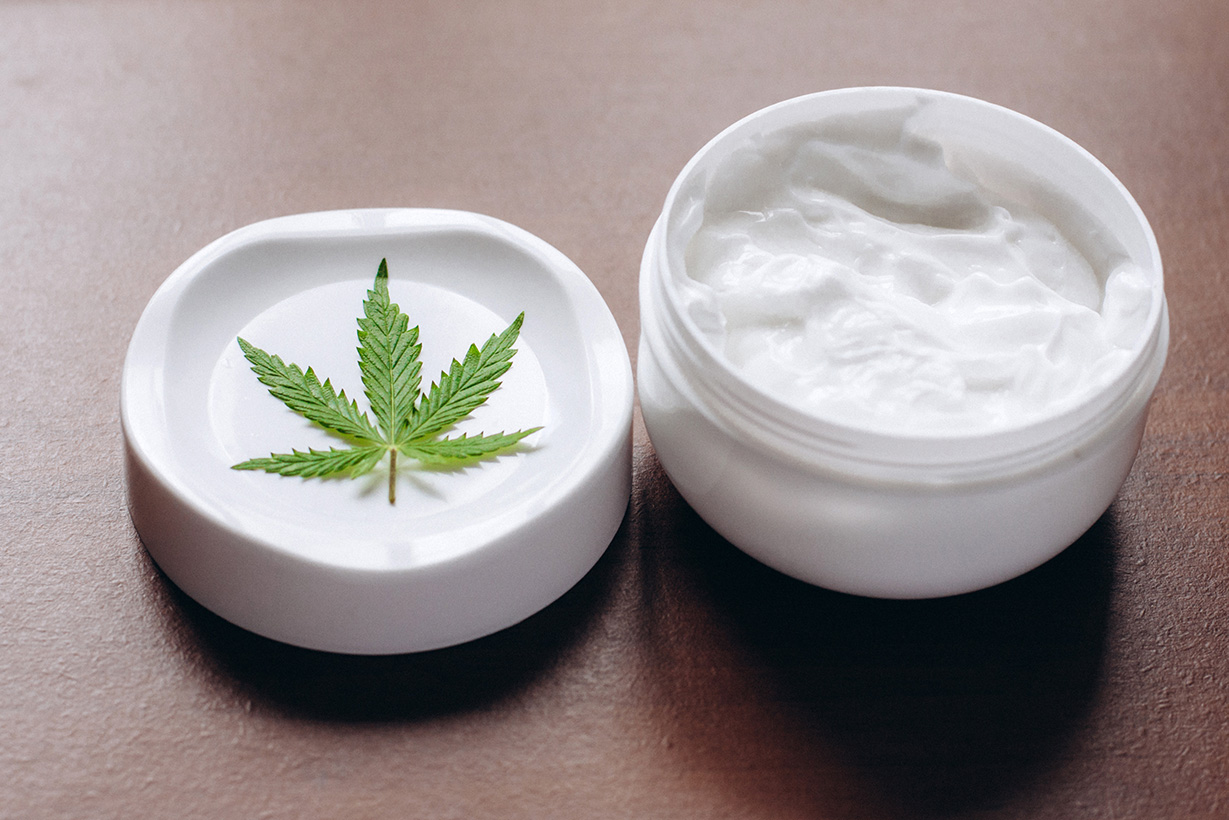
Topicals are probably the most popular way to consume cannabis. They’re often marketed as anti-aging creams or recovery tools for athletes.
Although topicals don’t always sell as well as vape pens or hash gummies that are more popular, they can still be very useful for everyone. These can be made at home. This is the definitive guide to topicals.
What’s a cannabis topical?
Topical refers to a variety of cannabis-infused products that can be applied to the skin. Topicals are not to be inhaled, ingested, or used for smoking, vaping, or dabbing. If someone does try them, it is unlikely that they will work as well as a product intended for ingestion.
A cannabis dispensary will likely sell some form of a cannabis-infused cream, balm or cream. This may be the most commonly used topical. Cannabis entrepreneurs have added cannabis body oils, transdermal patches, bath salts and bath bombs to their product line in recent years. There is something for everyone and all tactile experiences.
Topicals typically contain CBD or THC. Each cannabinoid has unique healing properties when applied topically. Some wellness brands and formulas may include other cannabinoids, such as CBDA, THCV, CBDA and THCA.
What are the various types of topicals?
The topical revolution is upon us, and there are more product types and formulation options than ever before. Most likely, your local dispensary near Rochester will have at least one.
- Salve
- Cream
- Oil
- Lotion
- Spray
- Bath product (salts, bath bombs)
- Transdermal patch
A balm or cream that is more emollient than a cream or balm can be a great carrier for cannabis-infused oil because they easily spread the oils on the skin. Sprays may be better for oily skin. Many sprays also contain alcohol to aid in cannabinoid penetration.
You can also use bath products such as salts and bath bombs to help you self-care. These products can be used to treat the whole body, not just a specific issue such as a sore wrist or knee. These products are usually single-use and will often cost more than a cream or lotion.
How do topicals work?
Topicals are not absorbed into the bloodstream, which is what sets them apart from other cannabis products. When we inhale, smoke, or consume cannabis edibles, activated cannabinoids enter the bloodstream and cause us to become intoxicated.
The cannabinoids interact with the endocannabinoid network, which is a network of receptors in our bodies that regulate immunity and digestion. CB1 receptors are found in the brain and nervous systems and interact with THC. This is why we experience the high and intoxication that THC can cause. The body has many CB2 receptors. These receptors can also be found in the skin. However, they interact with cannabinoids in a different way.
The epidermis (or top layer of skin), protects our bodies from chemical and other debris and makes it difficult to absorb cannabinoids.
Although you won’t get high with most commercial topicals they still reach the local cannabinoid receptors on your skin. Topicals offer a targeted, local relief from inflammation, nerve pains, arthritis, muscle cramps and even migraines that is not offered by other products.
Do topicals get you high?
Most likely, no. The best thing about topicals is their ability to not get you high or show up in drug tests. That’s mostly true. Most topicals absorb into the skin and interact only with local receptors. They won’t penetrate the body to cause intoxication or breach the blood-brain barrier.
There are exceptions to this rule, such as weed lube. In the past few years, there has been a significant increase in demand for cannabis lubricants as well as sexual wellness products that can be used to stimulate and arouse. There are many options, some oil-based and others water-based. It is up to you to choose the right one. Some contain penetration enhancers, which can penetrate the bloodstream. Many permeable membranes can be found in and around genitals.
Transdermal topicals (gels or patches) are applied to veiny areas of the body such as the inner wrist or top of the feet. They administer a steady, low dose of cannabinoids for a time period.
According to the study on rats, cannabis patches applied to the skin may contain penetration enhancers that can cause it to enter the bloodstream and give off a high. If a transdermal cream contains THC, there is a possibility of intoxication. You may also be subject to a drug test.
How are topicals used?
Topicals are one the easiest products you can use. Simply slather it wherever you like! They are often used to treat pain and inflammation. Many formulas include cannabinoids as well as cooling, moisturizing and soothing ingredients such as menthol, essential oils, and hyaluronic acids.
Different strains have different effects. The cannabinoid profile of a topical can offer relief for different symptoms. Preliminary research shows that CBD can be applied to the skin to relieve pain, inflammation, and muscle soreness. It also has the potential of treating skin conditions such as eczema or acne.
Clean skin is the best place to apply topicals. Although it is common to use topicals after a bath or shower, this has not been proven scientifically. To ensure optimal adhesion for transdermal patches, the skin must be dry.