
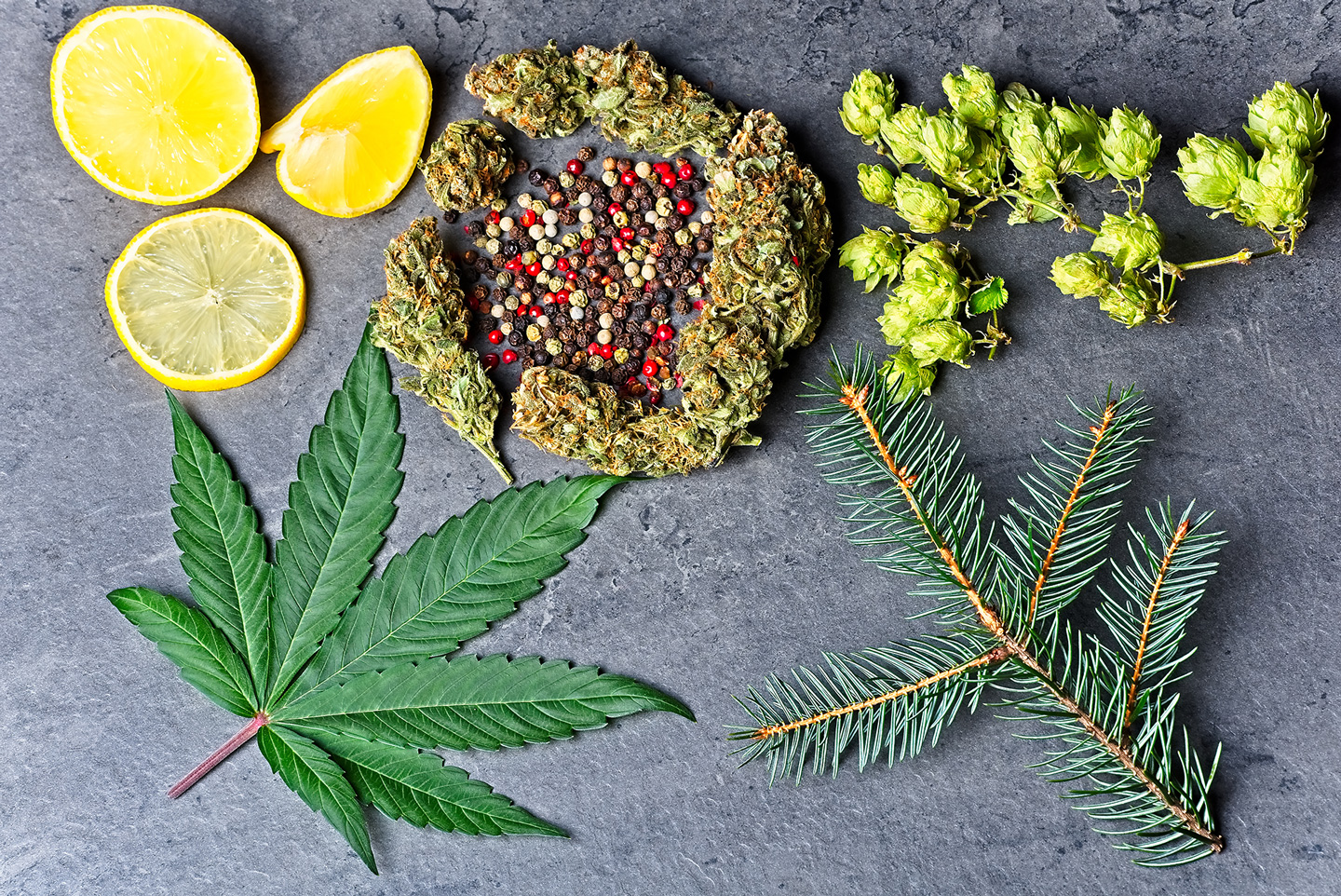
It is easy to smell the unique, pungent, and musky aroma of cannabis. Terpenes, aromatic compounds that give cannabis its unique scent and flavor, are responsible for its unique odor.
There are more than 150 types of terpenes in cannabis. While most terpenes can be found in very small amounts, some are more prominent and give cannabis strains distinctive scents. Sour Diesel’s combination of terpenes and Cherry Pie will tell you about its pungent, gassy nature, while Cherry Pie is a pleasant, sweet, fresh-baked cherry pie scent.
Terpenes are more than just a unique scent for cannabis. They also have many other functions and can cause a variety of mood-altering and therapeutic effects in cannabis users. Terpenes of various types are available for purchase at Queens dispensary.
Where are terpenes derived?
Terpenes, naturally occurring compounds, are found in the trichomes of female cannabis plants. Trichomes, sticky, translucent glands, cover the buds’ surface and, in smaller quantities, the stems and leaves. Importantly, trichomes have resin glands that make terpenes.
Terpenes are essential for a cannabis plant’s survival and growth. These organic compounds not only produce distinctive aromas but also enhance color and pigmentation of leaves and buds and add to the taste and flavor of cannabis. Terpenes, in short, enhance the plant’s appeal to certain animals while deterring those who can harm it.
Geraniol and other terpenes, such as geraniol repel insects and herbivores who might be attracted to cannabis. Terpenes like terpinolene or linalool attract insects and small creatures that help spread pollen. These aromatic compounds help support the plant’s immune system by communicating information about the environment, protecting plants against pathogens, and helping to trigger immune reactions.
There are many variables that can influence the production of terpenes in cannabis plants. The terpene level can be affected by many factors, including the location of the cannabis plant, its temperature, light exposure, nutrient levels and harvest times.
Many terpenes can be easily lost in standard cannabis extraction processes because they are volatile compounds. As a result, live resin is becoming more sensitive to extract terpenes.
Live resin is extracted from fresh cannabis plants. It retains the freezing temperature throughout extraction to preserve terpenes, other volatile compounds and give rise to an aromatically rich and more flavorful experience.
What effects do Terpenes have on the body?
Terpenes have a long history of being recognized for their aromatic properties. The vibrant aromas of terpenes have been used by humans for centuries to create essential oils for aromatherapy and other therapeutic uses.
Anyone who has ever sipped on lavender oil (which contains Linalool) knows it can help to relax. The effects of certain strains of cannabis can also be enhanced by terpenes.
Terpenes’ effects appear to go beyond stress relief and feel-good benefits. Terpenes are also a promising new area in cannabis medicine. The therapeutic properties of CBD and THC have been the focus of attention for a long time. However, terpenes are becoming more widely understood.
Each terpene has its own unique combination of therapeutic properties. It is not surprising that some of the effects of terpenes on humans are related to their function in cannabis plants and other plants, such as helping to fight off pathogens and microbes.
Terpenes have medicinal benefits
In vitro and preclinical studies in animals have shown terpenes to provide a variety of therapeutic advantages. However, terpene research on humans is still in its infancy. To fully understand these compounds, more research is needed.
Antiviral
Researchers are constantly on the lookout for new antiviral compounds. Many terpenes have the potential to kill viruses. These include alpha-, beta-pinene and camphor.
Anticancer
The search for compounds that can suppress cancer is on the rise due to rising rates of many types of it. Some terpenes (including those in cannabis) can have anticancer activity and help to stop the growth or activity of cancer cells.
Limonene is a notable anticancer/antitumor agent along with other Terpenes like pinene and camphor. Terpenes may not cause side effects or affect healthy cells, which is a potential advantage for cancer treatment.
Antidepressant
Twenty-five percent (25%) of antidepressant medications are made from herbal extracts containing terpenes. Among many plant extracts that are used in antidepressant medication, beta-pinene and Linalool are common.
Antimicrobial
Many terpenes might have antimicrobial activity. This means they can stop harmful microorganisms from growing. Alpha-bisabolol and geraniol are some of the terpenes that can help stop or kill microorganisms.
Pain relief
Some cannabis terpenes have been found to mimic cannabinoids, creating pain relief. One 2021 study found that terpenes and cannabinoids combined increased pain relief without causing side effects. This interaction could be indicative of the entourage effect (more details below).
Humulene and geraniol are some of the terpenes that can promote pain-relieving activities. Surprisingly, the study also revealed that these terpenes activate the body’s CB1 (which are part of the Endocannabinoid System and can influence pain perception).
These are the top three terpenes in cannabis
There are a wide variety of terpenes in cannabis, more than 150 types. Many of these are difficult to detect in low concentrations, but some are more prominent.
We have the scoop on the three most prevalent terpenes in cannabis.
Myrcene
The majority of cannabis cultivars have high levels of myrcene and caryophyllene. Myrcene is a terpene also found in lemongrass and hops. It has been described to have a variety of scent notes, including earthy, spicy, earthy and musky. Myrcene is a mildly sweet flavouring that can be found in cannabis.
Myrcene is known for its distinctive smell. It can also have anti-inflammatory properties. Myrcene could help reduce osteoarthritis-related inflammation, according to a 2015 study on cultured cells.
Terpene was also shown to prevent the destruction of cartilage cells and slow down osteoarthritis progression. It also appears to decrease the production of certain inflammatory cellular substances. Myrcene may be used to alleviate symptoms and anti-inflammatory diseases in the future.
Caryophyllene
Caryophyllene also known as beta caryophyllene and b-caryophyllene gives some cannabis strains a spicy, peppery taste. Caryophyllene can also be found in cloves, rosemary and oregano. These scents are most likely caused by caryophyllene, which is also found in certain cannabis cultivars.
Caryophyllene, the only known terpene in cannabis, can bind to CB2 receptors in the endocannabinoid systems. This receptor is located in the body’s immune response. Caryophyllene can sometimes be classified as an atypical cannabis terpene due to its unique action.
Research on the therapeutic effects of caryophyllene has shown that it can ease symptoms in many conditions, including colitis, diabetes and cerebral ischemia.
Future research suggests that caryophyllene could be harnessed for treating conditions that are accompanied with inflammatory signs.
Limonene
The name of Limonene is a sign that this terpene has citrus-y, clean scents. Limonene can be found in the rinds and ginger of citrus fruits, and it is also present in many cannabis cultivars with a fresh, fruity bouquet like Papaya Punch and Black Cherry Soda.
Limonene may alter certain immune cells’ behavior, potentially protecting the body against a variety of diseases. One study showed that limonene increased the production of antibodies-producing cells in bone marrow and the spleen. These cells are essential for the immune system’s ability to neutralize and identify pathogenic bacteria and viruses.
Recent research also suggests that the unique therapeutic profile limonene may be used in Covid-19 treatment.